
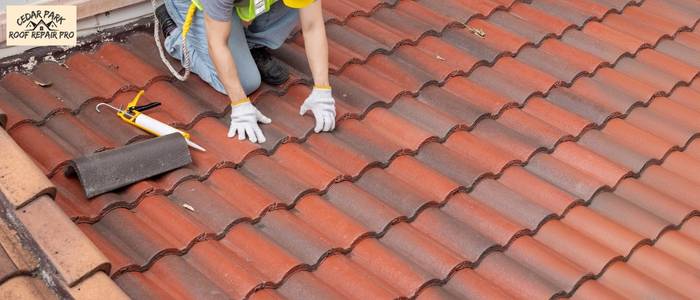
Replacing a roof is one of the most significant investments a homeowner will make, yet it remains a task often shrouded in uncertainty.
While the roof provides the primary shield for your home’s structural integrity, it is rarely at the forefront of a homeowner’s mind until a leak appears or a storm strikes.
Understanding the timing of a replacement is not just about counting the years since the last installation; it involves a nuanced evaluation of material durability, environmental wear, and subtle warning signs.
A proactive approach to roof replacement can prevent catastrophic water damage, preserve your home’s value, and offer long-term peace of mind.
By educating yourself on the expected lifespans and the variables that accelerate aging, you can transition from reactive repairs to a strategic home maintenance plan that ensures your property remains safe and dry for decades to come.
The Primary Role of Material in Determining Longevity
The most influential factor in how often you should replace your roof is the specific material used during its construction. Different products are engineered with varying levels of resilience against UV radiation, moisture, and temperature fluctuations.
While some materials are chosen for their cost-effectiveness and ease of installation, others are selected for their nearly generational durability.
For instance, common residential options are designed to provide a reliable barrier for a few decades, whereas premium stone or metal alternatives can serve a home for over half a century.
Understanding these baselines allows homeowners to set realistic expectations for their roof’s “expiration date.” It is also important to recognize that a roof’s rated lifespan is often an estimate based on ideal conditions; real-world factors such as local weather patterns and the quality of the original workmanship will ultimately dictate the actual timeline for a full replacement.
Standard Asphalt Shingles
Standard 3-tab asphalt shingles are the most common roofing material due to their affordability. On average, these roofs require replacement every 15 to 20 years.
They are susceptible to wind uplift and granule loss, which gradually thins the protective layer, making them more prone to leaks as they age.
Architectural Shingles
Architectural or dimensional shingles are a thicker, multi-layered version of the standard asphalt shingle. Because of their enhanced structural build, they typically offer a longer service life, often lasting between 25 and 30 years.
Their design provides better wind resistance and a more aesthetically pleasing, textured appearance for modern homes.
Critical Signs Your Roof Has Reached Its Limit
- Widespread Shingle Damage: Look for shingles that are curling at the edges, buckling in the center, or missing entirely. If these issues are localized, a repair might suffice, but widespread damage suggests the material has become brittle and lost its integrity.
- Granules in the Gutters: Finding a heavy accumulation of “sand” or granules in your downspouts is a clear indicator that your shingles are shedding their protective coating. Without these granules, the asphalt is exposed to harsh UV rays, leading to rapid deterioration.
- Internal Water Stains: Brown, yellow, or grey stains on your ceilings or walls are telltale signs of a failing roof system. Persistent moisture infiltration often indicates that the underlayment or flashing has been compromised.
- Light Peeking Through the Attic: On a sunny day, if you can see pinpricks of light coming through the roof boards in your attic, water is likely following that same path. This usually necessitates an immediate professional assessment.
- Sagging Roofline: A sagging or drooping roofline is a structural red flag. It often points to rotted decking or weakened supports caused by long-term moisture trapped within the roofing layers.
Environmental Factors That Accelerate Aging
The climate in which you live acts as a constant stressor on your roofing system. Areas subject to extreme temperature swings experience frequent expansion and contraction of materials, which can lead to cracking and warping over time.
High-humidity environments foster the growth of moss and algae, which trap moisture against the surface and accelerate rot. Furthermore, consistent exposure to intense sunlight can bake the essential oils out of shingles, making them brittle.
Wind-driven rain and heavy snow loads also place physical strain on the structure, often necessitating more frequent inspections and earlier replacement than in milder regions.
The Hidden Importance of Attic Ventilation
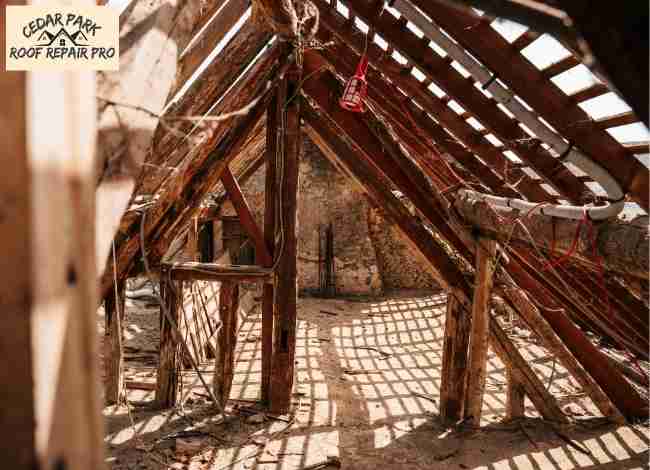
Proper ventilation is the “lungs” of your roofing system, and its absence can cut a roof’s lifespan in half. When an attic is poorly ventilated, heat and moisture become trapped directly beneath the roof deck.
During the summer, this excess heat can essentially cook shingles from the inside out, leading to premature aging. In the winter, trapped moisture can condense on the underside of the decking, causing wood rot and mold growth.
Ensuring a balanced flow of intake and exhaust air is a critical component of any roofing strategy, as it regulates temperature and protects the structural components from internal decay.
Maintenance Strategies to Extend Performance
Maintaining a roof is about more than just looking up once a year; it requires a consistent routine to mitigate small issues before they escalate.
Routine Debris Removal
Keep your roof and gutters clear of leaves, branches, and organic buildup. Debris acts as a sponge, holding moisture against the roofing material and creating an environment where rot and mold can thrive.
Professional Bi-Annual Inspections
Scheduling a professional inspection every few years, or after a major storm, can identify subtle problems like loosened flashing or minor leaks. Early intervention is often the difference between a simple patch and a premature total replacement.
Comparative Lifespan of Popular Materials
When planning for a replacement, it is helpful to compare the average durability of various materials to determine which best fits your long-term goals and budget.
| Material Type | Estimated Lifespan | Primary Benefit |
|---|---|---|
| Asphalt (3-Tab) | 15–20 Years | Cost-effective and widely available |
| Asphalt (Architectural) | 25–30 Years | Enhanced durability and aesthetics |
| Metal (Steel/Aluminum) | 40–70 Years | Fire-resistant and highly durable |
| Wood Shingles/Shakes | 30–50 Years | Natural beauty and rustic appeal |
| Clay or Concrete Tiles | 50–100 Years | Exceptional longevity in warm climates |
| Slate | 75–150 Years | The “forever” roof; virtually indestructible |
FAQs
Can I install a new roof over my old one?
While “re-roofing” or layering is sometimes permitted by building codes, it is generally not recommended. Adding a second layer traps heat and makes it impossible to inspect the underlying decking for rot, often shortening the life of the new shingles.
How does roof pitch affect replacement frequency?
- Steep-sloped roofs shed water and debris more efficiently, often lasting longer.
- Flat or low-slope roofs are prone to “ponding” water, which can accelerate material degradation.
Does the color of my roof matter?
Darker roofs absorb more heat, which can lead to higher attic temperatures and faster shingle wear in hot climates. Lighter colors reflect more sunlight, potentially extending the life of the material and reducing cooling costs.
What should I do if my roof is sagging?
- Contact a professional immediately to assess the structural integrity.
- Avoid walking on the roof, as the decking may be compromised.
- Prepare for a full replacement, as sagging usually indicates deep-seated moisture damage.
Final Thoughts
Determining exactly when to replace a roof is a balance of science, observation, and timing. While material guides provide a helpful baseline, your home’s specific environment and maintenance history are the true deciders of longevity.
Ignoring the subtle signs of age like loss of granules or minor leaks can lead to far more expensive repairs to your home’s interior and foundation later on.
By staying informed about the health of your roofing system and investing in quality materials and professional installation, you ensure that your home remains protected against whatever the elements may bring.
A new roof is not just a structural necessity; it is a long-term investment in your safety and the enduring value of your property.