
As the mercury rises and the sun’s rays become more intense, your home’s first line of defense the roof faces its most grueling season. While many homeowners associate roof damage with the heavy snow of winter or the driving rains of spring, summer presents a unique set of challenges including extreme UV exposure, thermal expansion, and high humidity.
Taking a proactive approach to maintenance during these warmer months is not just about aesthetics; it is a critical strategy to extend the lifespan of your roofing materials and ensure your indoor environment remains comfortable. Neglecting minor issues now can lead to catastrophic failures when the next big summer storm hits. By following a structured maintenance plan, you can protect your investment, improve your home’s energy efficiency, and enjoy peace of mind knowing your structure is prepared to handle the heat.
Understanding the Impact of Heat and Humidity
The combination of high temperatures and humidity creates a stressful environment for any roofing system. During peak daylight hours, dark roof surfaces can reach temperatures significantly higher than the ambient air, causing materials like asphalt shingles to lose essential oils and become brittle. This process, known as volatilization, leads to granule loss and cracking, which compromises the roof’s waterproofing capabilities. Furthermore, humidity can trap moisture in poorly ventilated attics, fostering the growth of mold and wood rot that weakens the internal structure.
The Role of Thermal Expansion
Thermal expansion occurs when materials grow in size due to heat. In the summer, your roof components expand during the day and contract at night, a cycle that can loosen fasteners, stress seams, and cause metal flashing to warp or pull away from joints.
UV Degradation Risks
Ultraviolet rays are a constant threat that breaks down the chemical bonds in roofing membranes and shingles. Over time, this exposure causes colors to fade and materials to thin, making them much more susceptible to punctures or wind damage during seasonal thunderstorms.
Essential Steps for Summer Maintenance
Maintaining a roof during the summer requires a blend of visual inspections and physical cleaning to ensure everything functions as intended. The following list highlights the core tasks every homeowner should prioritize to keep their roofing system in top-tier condition:
- Clean Gutters and Downspouts: Remove leaves, twigs, and sediment to ensure rainwater can flow freely away from the foundation and fascia.
- Trim Overhanging Branches: Cut back limbs that are within six feet of the roof to prevent scraping and to limit the amount of debris falling onto the surface.
- Check for Missing Shingles: Look for bare spots or shingles that are curling and buckling, as these are primary entry points for water.
- Inspect Flashing and Seals: Examine the metal strips around chimneys, vents, and skylights for signs of rust or gaps that need resealing.
- Monitor Attic Airflow: Ensure that intake and exhaust vents are not blocked by insulation or dust, allowing hot air to escape efficiently.
The Importance of Professional Inspections
While a ground-level visual check is helpful, it cannot replace the depth of a professional inspection. Experts possess the tools and experience to identify subtle signs of wear that are often invisible to the untrained eye, such as microscopic cracks in sealant or moisture trapped beneath the underlayment. Summer is the ideal time for these assessments because the weather is stable, allowing for safer climbing conditions and faster repair times. Catching a small leak or a loose fastener in July can prevent a full-scale emergency during the unpredictable storms of late August.
Enhancing Energy Efficiency with Cool Solutions
One of the most significant benefits of summer roof care is the opportunity to lower your cooling costs. A roof that is in good repair and properly ventilated reflects more sunlight and absorbs less heat, reducing the workload on your air conditioning system. Consider applying reflective coatings or upgrading to “cool” shingles designed with specialized granules that bounce UV rays back into the atmosphere. These small upgrades not only make your home more comfortable but also contribute to a longer service life for your HVAC equipment by maintaining a more stable internal temperature.
Protecting Your Roof from Summer Storms
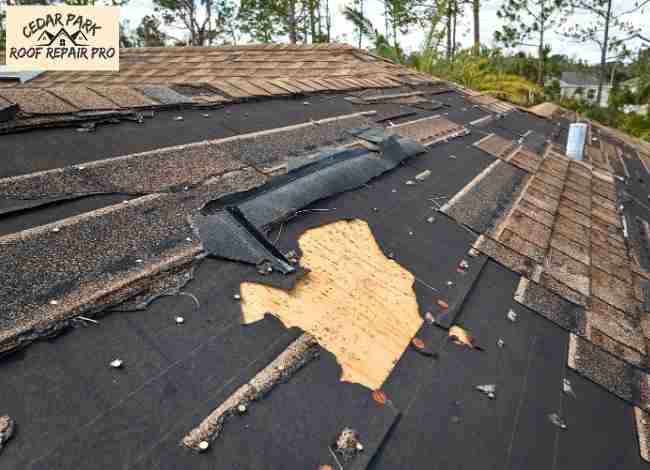
Summer weather isn’t just about heat; it often includes sudden, violent thunderstorms and high winds. Preparing your roof involves ensuring that every component is securely fastened and capable of shedding water quickly.
Strengthening Vulnerable Areas
Focus on the valleys and edges of the roof where water volume is highest. Clearing debris from these channels prevents “damming,” where water backs up under the shingles. Additionally, ensuring that all perimeter flashing is tightly secured will prevent wind from getting underneath the materials and tearing them away during a gust.
Strategies for Managing Moss and Algae
High humidity and shade create a breeding ground for biological growth, which can hold moisture against your shingles and lead to rot. To keep your roof clean and healthy, follow these steps:
- Identify Growth: Look for dark streaks or green patches, which usually indicate algae or moss.
- Soft Wash Cleaning: Use a gentle cleaning solution and low-pressure water to remove the organisms without damaging the shingle granules.
- Install Zinc Strips: Placing metal strips at the roof peak can provide long-term protection as rainwater washes traces of the metal down the roof, killing spores.
- Increase Sunlight: Thin out tree canopies to allow more sun to reach the roof surface, naturally drying out damp areas.
Choosing the Right Materials for Heat Resistance
If you are planning a replacement this season, selecting materials specifically designed for thermal performance is a wise investment. The table below compares common materials based on their summer performance.
| Material Type | Heat Resistance | Durability | Cooling Benefit |
|---|---|---|---|
| Metal | Excellent | Very High | High (Reflective) |
| Clay Tile | High | High | Moderate (Natural Airflow) |
| Cool Shingles | Moderate | Medium | High (UV Reflective) |
| Wood Shake | Low | Moderate | Low (Prone to Drying) |
FAQs
How often should I check my roof during the summer?
You should perform a visual inspection at the start of the season and again after any major storm involving high winds or hail to check for immediate damage.
Why is my attic so hot even with the AC running?
This is often caused by poor ventilation or inadequate insulation. If the hot air in the attic cannot escape through vents, it creates a “blanket” effect that pushes heat down into your living spaces.
What are the signs of sun damage on shingles?
- Curling or “cupping” at the edges.
- Bald spots where granules have washed away.
- Cracks that appear throughout the surface of the shingle.
Can I clean my roof myself?
- Small amounts of debris can be removed with a leaf blower or soft broom.
- Always use a harness if you plan on climbing.
- Avoid using high-pressure washers, as they can strip the protective granules off your shingles.
Final Thoughts
Summer is more than just a season for relaxation; it is a critical window for ensuring your home remains a safe and efficient sanctuary. By dedicating time to inspect for UV damage, maintaining proper ventilation, and clearing away debris, you are doing much more than just “fixing a roof”—you are safeguarding your family’s comfort and your property’s value.
The intense heat of the season doesn’t have to be a threat if you take the necessary precautions early on. Whether it is a simple gutter cleaning or a professional structural assessment, every action you take now pays dividends in the form of a longer-lasting, more resilient roofing system that can stand up to whatever nature throws its way.