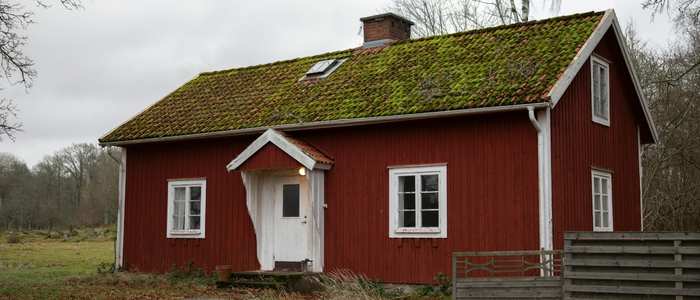
Maintaining a healthy home often starts from the top down, yet many homeowners overlook the silent, green carpet slowly spreading across their shingles.
Moss may look like a natural, charming addition to a cottage-style home, but its presence is far from benign. Unlike simple debris, moss acts like a sponge, soaking up rainwater and holding it directly against your roofing materials.
This constant moisture can lead to rot, shingle lifting, and structural degradation that significantly shortens the lifespan of your roof.
Addressing moss growth is not merely an aesthetic choice; it is a critical maintenance task that protects your investment from costly leaks and water damage.
In this guide on How to Remove Moss from Roof, we’ll cover expert techniques and safe methods to remove moss effectively while keeping your roof in top condition for years.
Understanding the Risks of Moss Accumulation
Overlooking moss growth can cause long-term structural problems, not just discoloration. In How to Remove Moss from Roof, note that moss holds moisture against roofing materials and weakens them.
These structures can penetrate deep into the material, causing granules to loosen and shingles to curl or crack. During the winter, the water trapped within the moss can undergo freeze-thaw cycles, expanding and further damaging the integrity of the roof.
Furthermore, moss thrives in the shaded, damp areas of your home, often hiding the early signs of rot or mold that may be developing underneath.
By the time the damage becomes visible from the ground, the underlying roof deck may already be compromised, necessitating expensive repairs or even a full replacement. Proactive removal is the only way to mitigate these long-term risks effectively.
The Importance of Shingle Integrity
Maintaining the protective granules on your shingles is vital for UV protection and fire resistance. When moss takes hold, it physically disrupts these granules, leaving the underlying asphalt exposed to the elements. Professional removal focuses on preserving this layer while eliminating the organic growth.
Moisture Management and Roof Longevity
Excess moisture is the primary enemy of any roofing system, leading to premature decay of the wood structure beneath. By removing moss, you allow the roof to dry properly after rainfall, preventing the damp conditions that encourage rot, mildew, and the eventual failure of the roofing membrane.
Helpful Tips for How to Remove Moss from Roof Properly
When learning How to Remove Moss from Roof Properly, following the right techniques can make a big difference in both safety and long-term results. Here are some practical tips to help you do it the right way without damaging your roof:
- Always start on a dry, overcast day to prevent cleaning solutions from drying too quickly before they work.
- Use only soft tools like a soft-bristle brush or broom to avoid scraping off protective shingle granules.
- Work in small sections instead of covering the entire roof at once for better control and safety.
- Never use high-pressure washers, as they can lift shingles and cause hidden water leaks.
- Always brush moss in a downward direction to prevent lifting or loosening shingles.
- Wear proper safety gear, including non-slip shoes, gloves, and eye protection.
- Keep gutters clear during the process so loosened moss and debris can drain properly.
- Reapply eco-friendly moss treatment if growth is heavy, rather than forcing it off in one attempt.
- Trim nearby trees regularly to reduce shade and moisture buildup on the roof.
- Inspect your roof after cleaning to ensure no damaged areas need quick repair.
Following these helpful tips for How to Remove Moss from Roof Properly will not only improve cleaning results but also extend the life of your roof and prevent future moss growth.
Essential Tools and Safety Equipment for the Job
Before attempting any roof maintenance, gathering the correct equipment is paramount to ensuring both your safety and the health of your shingles.
You will need a sturdy, extendable ladder equipped with stabilizers to prevent it from slipping or damaging the gutters. For the cleaning process, a standard garden hose with a low-pressure nozzle is preferred over a pressure washer, which can be too aggressive.
You should also have a soft-bristle brush or a long-handled broom to gently dislodge the moss without stripping away shingle granules. For chemical application, a pump-style garden sprayer is the most efficient tool for achieving even coverage.
Safety gear is non-negotiable: wear slip-resistant shoes with excellent grip, safety goggles to protect against chemical splashes, and a harness system if you are working on a steep pitch. Additionally, keep a large tarp nearby to cover and protect your landscaping from any runoff or cleaning solutions.
Selecting the Right Cleaning Solution
Choosing between a store-bought moss killer and a homemade solution depends on the severity of the growth and your environmental preferences.
A common DIY recipe involves mixing equal parts water and white vinegar, or a 50/50 ratio of liquid chlorine bleach and water for more stubborn infestations.
If using bleach, adding a small amount of mild dish soap can help the solution “cling” to the moss longer, increasing its effectiveness. However, many professionals recommend specialized, eco-friendly moss removers that use potassium salts of fatty acids.
These products are often safer for the surrounding vegetation and are specifically formulated to break down the moss’s cellular structure without causing chemical damage to the roofing materials themselves.
Always test a small, inconspicuous area of the roof first to ensure the solution does not discolor your shingles.
Step-by-Step Moss Removal Process
The most effective way to remove moss is to work in stages, starting with a dry, overcast day to prevent your cleaning solution from evaporating too quickly.
Begin by manually clearing loose debris like leaves and twigs using a leaf blower or a soft broom. Next, use your garden hose to dampen the mossy areas; this makes the moss more susceptible to the cleaning agent.
Apply your chosen solution generously with a pump sprayer, working from the top of the roof downward to ensure the liquid flows over all affected areas.
Let the solution dwell for approximately 15 to 45 minutes, depending on the product’s instructions, but do not allow it to dry completely. Once the moss has visibly softened or changed color, use a soft-bristle brush to gently scrub the clumps away.
Always brush in a downward motion to avoid lifting the edges of the shingles. Finally, rinse the entire area thoroughly with low-pressure water to remove all residue and dead moss.
Effective Strategies for Future Prevention
Removing existing moss is only half the battle; preventing its return is essential for long-term maintenance. Moss thrives in shade and moisture, so altering the environment around your roof is the most effective deterrent.
Increase Sunlight and Airflow
- Trim Overhanging Branches: Cut back tree limbs that cast shadows over the roof to allow more sunlight to reach the surface.
- Thin the Canopy: Reducing the density of nearby trees improves airflow, helping the roof dry faster after rain.
- Clear Debris Regularly: Remove leaves and pine needles that trap moisture and provide a growing medium for moss spores.
Physical and Chemical Barriers
- Install Metal Strips: Zinc or copper strips installed near the roof ridge release ions during rainfall that inhibit moss and algae growth.
- Apply Preventative Sprays: Periodic application of a moss-inhibiting biocide can keep spores from germinating for several years.
- Upgrade to Resistant Shingles: If replacing your roof, choose shingles with copper-infused granules designed specifically to resist organic growth.
When to Call a Professional Roofer
While many homeowners can handle minor moss growth, certain situations require the expertise and equipment of a professional.
If your roof has a very steep pitch, multiple stories, or is made of fragile materials like old clay tiles or wood shakes, the risk of injury or property damage is significantly higher.
| Situation | Action Recommended |
| Minor growth on a low-slope roof | DIY removal with soft brush and garden hose |
| Thick moss covering more than 50% of the roof | Professional cleaning and inspection |
| Roof is over 15 years old with visible shingle damage | Professional assessment for possible replacement |
| Steep pitch or multi-story height | Hire a professional with specialized safety gear |
| Presence of leaks or internal water stains | Immediate professional repair |
Frequently Asked Questions
Does vinegar kill moss on a roof?
Yes, the acetic acid in white vinegar can effectively kill moss. It is a popular eco-friendly alternative to bleach, though it may require multiple applications for very thick growth. For best results, apply on a dry day and allow time to soak.
Can I use a pressure washer to remove moss?
It is strongly advised to avoid pressure washers. The high-force water can strip the protective granules from asphalt shingles, force water under the roofing material, and cause permanent structural damage.
How often should I check for moss?
Conduct a visual inspection every spring and autumn.
- Check after major windstorms that may have deposited organic debris.
- Monitor north-facing or heavily shaded sections of the roof more frequently.
Final Thoughts
Removing moss from your roof is a vital component of home stewardship that ensures the longevity and safety of your residence.
While the process requires patience and the right tools, the effort pays off by preventing premature roof failure and maintaining your home’s curb appeal.
By choosing gentle cleaning methods over aggressive scrubbing or high-pressure water, you protect the delicate granules that serve as your roof’s primary defense against the elements.
Furthermore, implementing preventative strategies like trimming trees and installing metal strips can save you hours of labor in the future.
Remember that safety is the highest priority; if a job feels too dangerous or the moss infestation seems overwhelming, don’t hesitate to consult with an expert. A clean, moss-free roof is not just a matter of pride it is the shield that keeps your home dry and secure.